
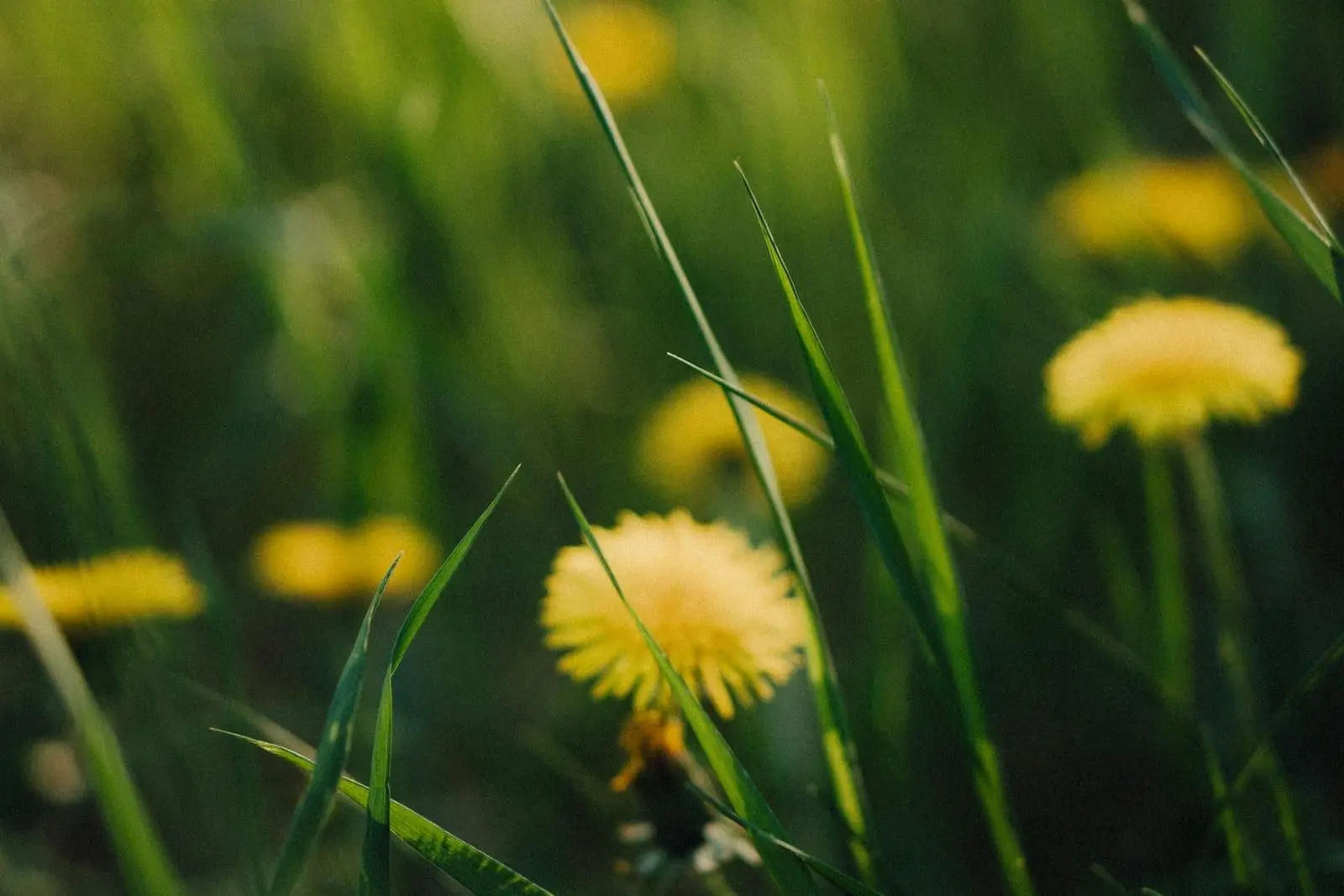
Most homeowners assume weeds are the problem. In reality, weeds are usually a symptom.
When a lawn is healthy, thick, and actively growing, weeds have a difficult time gaining a foothold. When a lawn becomes thin, stressed, compacted, or unhealthy, weeds see an opportunity and take advantage of it.
One of the most common calls we receive throughout Blount County starts with some variation of: “My lawn is being overtaken by weeds.” The homeowner wants to know which product to spray, which treatment to buy, or which weed killer will solve the issue.
The truth is that killing weeds is often the easy part.
The harder question is figuring out why the weeds appeared in the first place. If the underlying problem isn’t addressed, new weeds will simply replace the old ones. Understanding the root cause is the first step toward building a healthier lawn and reducing future weed pressure.
Thin grass creates open real estate
Weeds are opportunists.
Every thin area in a lawn is essentially an invitation.
When turf density decreases, sunlight reaches the soil surface more easily. Weed seeds that would otherwise remain dormant suddenly have the conditions they need to germinate and grow.
Thin lawns commonly result from:
- Drought stress
- Disease
- Insect damage
- Poor mowing practices
- Heavy traffic
- Aging turf
Once weeds begin establishing themselves, they compete directly with the remaining grass for sunlight, water, and nutrients.
The solution is not simply eliminating weeds. It’s rebuilding turf density through proper lawn care practices.
Mowing too short encourages weeds
This is one of the most common mistakes homeowners make.
Many people believe cutting grass shorter means mowing less often.
Unfortunately, it often creates the opposite result.
Short mowing heights weaken turf by reducing the amount of leaf surface available for photosynthesis. Shallow-rooted grass becomes more vulnerable to heat, drought, and stress.
Meanwhile, additional sunlight reaches the soil surface, creating ideal conditions for weed germination.
For cool-season fescue lawns common throughout East Tennessee, maintaining proper mowing height is one of the simplest ways to improve lawn health and reduce weed pressure.
A healthy lawn should shade the soil.
A scalped lawn does the opposite.
The takeaway: mowing too short often weakens the grass while helping weeds thrive.
Compacted soil creates weak lawns
Healthy roots need room to grow.
Unfortunately, many East Tennessee lawns contain significant clay content, and years of foot traffic, mowing, rainfall, and normal use gradually compact the soil.
Compacted soil limits:
- Root growth
- Water infiltration
- Air movement
- Nutrient absorption
Grass struggles under these conditions.
Many common weeds, however, are remarkably adaptable and continue growing despite poor soil conditions.
This is one reason aeration is often recommended as part of a long-term lawn improvement strategy.
Improving soil conditions helps the grass compete more effectively.
The takeaway: compacted soil weakens turf and often creates conditions where weeds gain the upper hand.
Poor lawn health leaves the door open
Many homeowners focus entirely on weed control while ignoring overall lawn health.
The two are closely connected.
A lawn that receives proper mowing, watering, fertilization, and seasonal maintenance naturally becomes more competitive.
A lawn that is stressed, neglected, or struggling becomes vulnerable.
Common issues include:
- Poor fertility
- Inconsistent watering
- Heat stress
- Disease pressure
- Nutrient deficiencies
When turf health declines, weeds often become one of the first visible symptoms.
The goal isn’t creating conditions where weeds can’t grow.
The goal is creating conditions where grass grows better than weeds.
Healthy lawns naturally resist weed pressure more effectively than unhealthy ones.
Weed control alone is rarely enough
This is where many homeowners become frustrated.
They apply a weed-control product, see improvement, and assume the problem is solved.
A few months later, new weeds appear.
The reason is simple.
The treatment addressed the weeds but not the conditions that allowed them to establish.
Long-term weed reduction typically involves a combination of:
- Proper mowing
- Seasonal aeration
- Overseeding
- Fertility management
- Water management
- Targeted weed control
The best lawns aren’t necessarily weed-free.
They’re simply healthy enough that weeds struggle to become a dominant feature.
The takeaway: lasting weed control usually requires improving the lawn, not just attacking the weeds.
When to call us
If weeds are becoming one of the most noticeable features of your lawn, there’s usually more happening than a simple weed problem.
At Lawngevity, we evaluate the entire lawn to identify the factors contributing to weed pressure.
That may include:
- Soil compaction
- Thin turf
- Poor drainage
- Fertility issues
- Improper mowing practices
- Irrigation concerns
- Seasonal stress
By addressing the underlying causes, we can help homeowners build stronger lawns that naturally resist future weed infestations.
We provide lawn care and improvement services, aeration, overseeding, grading, irrigation, lawn renovations, and seasonal maintenance — from weekly lawn care across Blount County to full renovations — throughout the surrounding East Tennessee communities.
The goal isn’t simply killing weeds. The goal is creating a lawn so healthy that weeds have far fewer opportunities to take hold in the first place.
The bottom line
Weeds are often the visible symptom of an invisible problem. While weed-control products certainly have their place, the most effective long-term solution is usually improving the overall health of the lawn itself. A thicker, healthier lawn doesn’t just look better—it becomes your best defense against future weed pressure.
Tagged