
Every homeowner wants the same thing: a thick, healthy lawn that looks great from the road. The question is how you get there.
When homeowners start thinking about a new lawn, repairing a damaged lawn, or improving a thin one, the conversation almost always comes down to two options: sod or seed. Most people assume the decision is simple. Sod is fast. Seed is cheap. While that’s technically true, it leaves out a lot of the details that actually determine whether you’ll be happy with the results a year from now.
We work with lawns throughout Blount County and East Tennessee, and one of the biggest misconceptions we see is homeowners comparing only the upfront cost. The reality is that the cheapest option on day one isn’t always the cheapest option in the long run, and the most expensive option isn’t always the best investment.
The real question isn’t whether sod or seed is better. The real question is which one is better for your property, your budget, and your expectations.
The biggest difference is time
If speed is your top priority, sod wins.
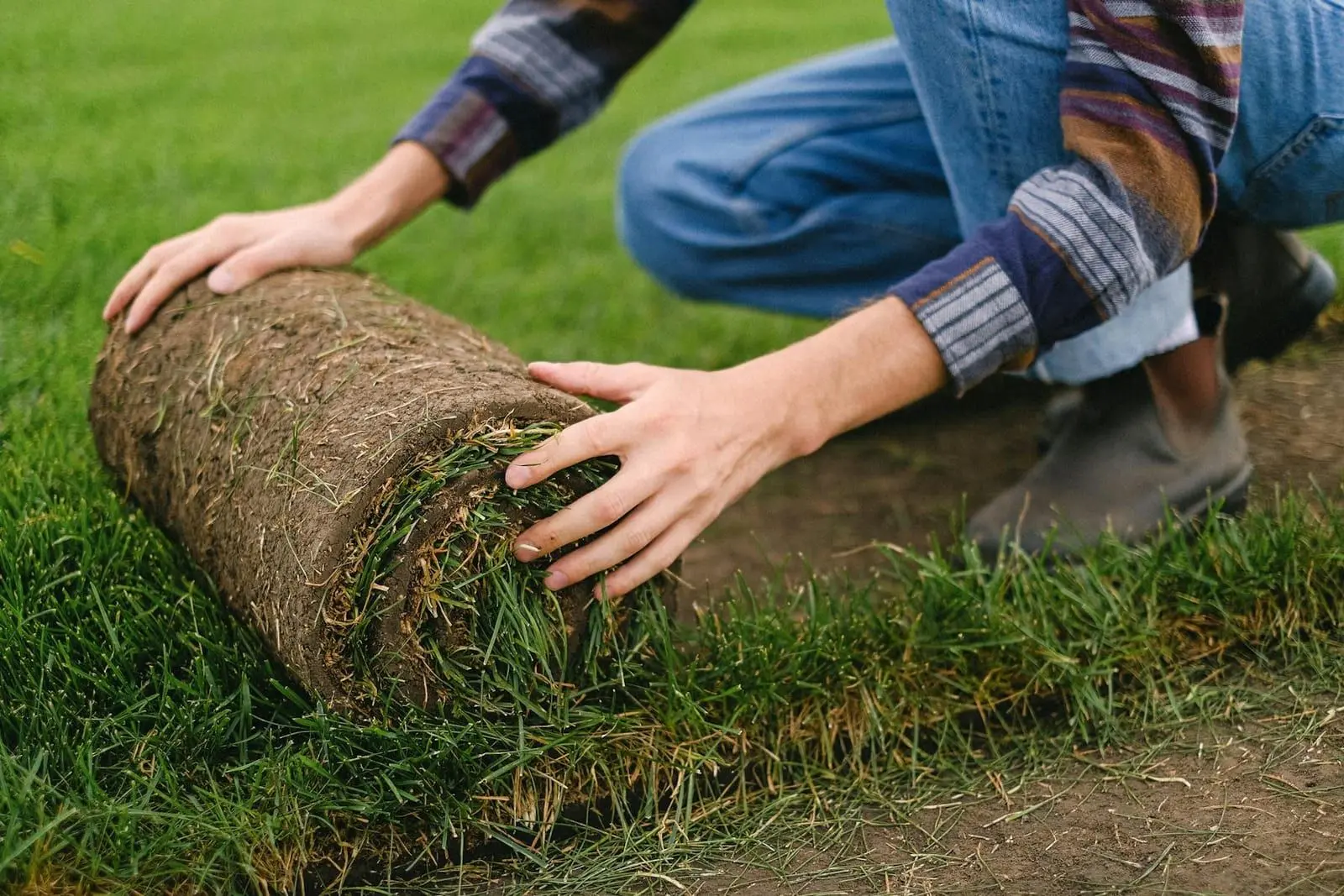
A freshly sodded lawn immediately transforms the appearance of a property. What was bare dirt on Friday can look like a finished lawn by Saturday afternoon.
Seed doesn’t work that way.
In East Tennessee, most cool-season fescue lawns take roughly 7–21 days to germinate depending on conditions. After germination, it can take several months before the lawn begins looking mature and fully established.
That doesn’t mean sod is instantly finished.
New sod still requires watering, root establishment, mowing, and care. While it looks complete immediately, it remains vulnerable until roots anchor into the underlying soil.
If you’re preparing for an event, selling a home, completing a new construction project, or simply want instant curb appeal, sod offers a clear advantage.
The cost difference is significant
This is where most homeowners start paying attention.
For the same area, sod typically costs several times more than seed once materials and installation are included.
The exact numbers vary depending on grass type, site preparation, and property conditions, but the difference is often substantial enough to influence the entire decision.
For example, a homeowner renovating a small front yard may find sod completely reasonable. A homeowner renovating an acre of lawn may quickly discover that sod becomes a major investment.
What many people overlook is that seed also has hidden costs.
Successful seeding often requires:
- Soil preparation
- Straw coverage
- Consistent watering
- Weed management
- Potential reseeding of thin areas
While seed is usually the less expensive option, it isn’t entirely free of risk or follow-up work.
Watering is more important than most people realize
Whether you choose sod or seed, water will largely determine your success.
New seed requires frequent, light watering to maintain consistent soil moisture during germination. Allowing the soil to dry out can dramatically reduce success rates.
Sod requires a different approach.
Fresh sod needs deeper watering that encourages roots to establish beneath the surface. If watering is inconsistent, sod can quickly develop brown areas, gaps, and weak root systems.
One common mistake we see is homeowners spending thousands on sod and then treating it like a mature lawn immediately after installation.
Neither sod nor seed gets a free pass during establishment.
Your willingness to manage watering may be more important than whether you choose sod or seed.
Seed often produces better long-term root systems
This surprises many homeowners.
Because grass grown from seed develops in the exact soil where it will spend its entire life, it often creates a deeper and more natural root system than newly installed sod.
Sod is essentially transplanted grass.
Its roots must leave the sod layer and establish themselves in the soil below. If installation conditions are poor or watering is inconsistent, this transition can take longer than expected.
This doesn’t mean sod is inferior.
A properly installed and maintained sod lawn can be outstanding. However, when both are successful, seeded lawns often develop exceptionally strong root systems over time.
The takeaway: sod wins the short game, but seed often has advantages in the long game.
The best choice depends on the situation
There is no universal winner.
Sod often makes sense when:
- Immediate results matter
- Erosion control is needed
- A property is being sold
- New construction needs fast completion
- Budget allows for the additional investment
Seed often makes sense when:
- Large areas are involved
- Budget is a major factor
- Long-term value matters most
- The homeowner can be patient
- Fall establishment is possible
For many East Tennessee properties, fall seeding remains one of the best investments a homeowner can make. Cooler temperatures, reduced weed pressure, and favorable growing conditions create an excellent environment for fescue establishment.
When to call us
Whether you’re considering sod, seed, or a complete lawn renovation, getting the right plan in place from the beginning can save time, money, and frustration.
We regularly help homeowners with:
- New lawn installations
- Lawn renovations and restorations
- Sod installation
- Seeding and overseeding
- Grading and site preparation
- Erosion control
- Drainage improvements
- Irrigation planning
- Soil improvement strategies
Every property is different, and the best results usually come from matching the installation method to the site’s conditions, your budget, and your long-term goals. If you’re unsure which approach makes the most sense, we’re happy to evaluate your property and recommend the option that gives you the best chance of success.
At Lawngevity, we help homeowners across Blount County — from the lawns we maintain in Maryville to new installs farther out — evaluate whether sod, seed, grading improvements, aeration, overseeding, irrigation, or a combination of lawn care services makes the most sense for their property.
The goal isn’t selling the most expensive option. The goal is choosing the option that gives you the lawn you’re actually trying to achieve.
The bottom line
Sod and seed can both produce beautiful lawns. The difference comes down to time, budget, maintenance, and expectations. Before spending money on either one, make sure you’re solving for the outcome you want—not just choosing the option that seems easiest on the surface.
Tagged